

When Do Birds Fly South? Never Miss the Moment
Have you ever looked at the sky and asked, "When do birds migrate south?" Learning about bird travel changes how you see the seasons. It is more than just watching them fly. It connects you to nature's cycle. You know what is happening outside your home. You will find the hidden signs that tell them to leave. Timing matters more than you think. Keep reading. You will never miss the magic moment when birds fly south for the winter.
The Travel Seasons
Birds fly south to find warm places in cold months. This big trip is called migration. It happens in two main seasons. Many birds move south in the fall. They return north in the spring. These trips are needed for them to live.
Spring vs. Fall Travel
In spring, birds fly north. They go to their summer homes to have babies. In fall, they fly south. They seek warmer places to live. Birds fly faster in spring to reach nesting sites. They move slower in fall to save their energy.
-
Spring travel: goes north, focused on breeding.
-
Fall travel: goes south, focused on survival.
-
Spring trips are often short and quick.
-
Fall trips last longer with more stops.
What Changes the Timing
Bird travel time depends on weather, food, and light. These things tell birds when to start their journey. Colder air and shorter days make birds move south. Food amounts also play a big part in their timing.
-
Cold air signals the travel time.
-
Daylight length helps birds feel the seasons.
-
Food supply changes when birds leave or stay.
-
Instincts also guide their travel schedule.
Why They Start the Trip
Birds fly south to find better living places. A few things tell them it is time to move. These triggers help birds get through the cold months. Knowing these signs helps us understand them. The main signs are changes in light, heat, and food.
Daylight Shifts
Birds notice that days get shorter in the fall. Shorter days mean winter is coming. This change affects their inner clocks. This signals birds to get ready for the long trip. They start to rest less. They eat more to store energy for the flight.
- The U.S. Fish and Wildlife Service states that migration is primarily triggered not by cold temperatures, but by photoperiod—the length of daylight. The agency explains: "This seasonal shortening of daylight is the single most reliable trigger. It initiates a physiological change in the bird called zugunruhe (a German term meaning 'migration restlessness'), compelling the bird to feed heavily and prepare for the arduous journey south."
Temperature Changes
When air gets cold, birds feel it. Cooler weather means fewer insects. It makes living much harder. This cold pushes birds to fly to warmer spots.
-
Cold air cuts down on insect activity.
-
Birds lose body heat quickly.
-
Snow and ice cover their food sources.
-
Warm areas give them shelter and food.
Food Runs Out
Birds watch the supply of seeds, berries, and insects. When food is low, they must find new eating spots. Flying south helps them find richer food sources.
When Most Birds Travel
Birds fly south in different steps. Each kind of bird leaves at its own time. This depends on the species and the weather. Knowing when birds travel helps people who watch them. It also helps keep birds safe on their routes.
Early Birds
Some birds start traveling early in the season. These birds leave right when the weather starts to cool. They get away from the cold. They find food in warmer places.
-
Swallows often leave in late August.
-
Warblers start their trip in early September.
-
Some hawks begin moving south by mid-September.
Busy Travel Times
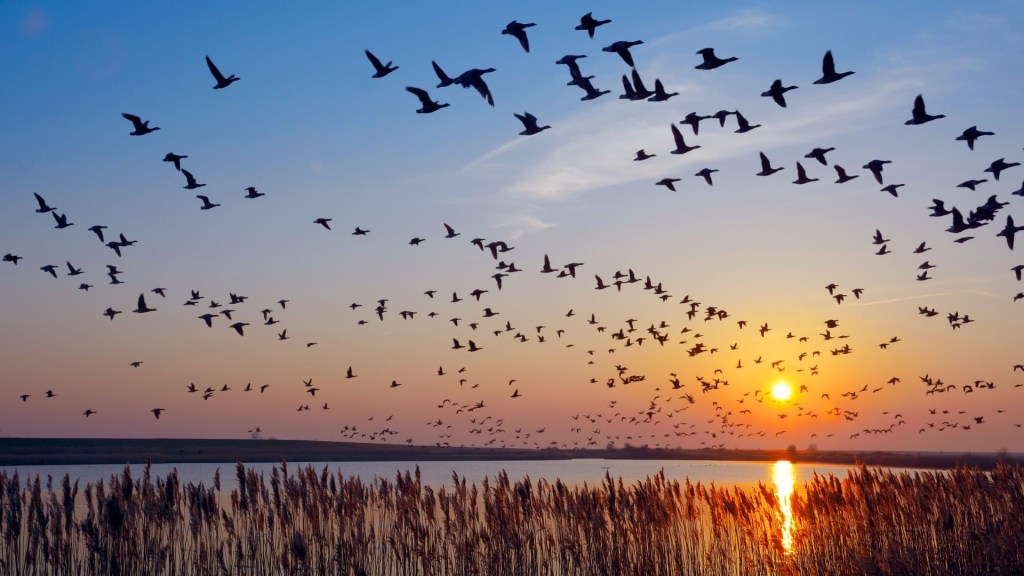
The peak time is when many birds move. This usually happens in September and October. Many types of birds travel together then.
Late Birds
Some birds leave last. They stay as long as there is food. These birds fly south late in the fall. Some even leave in early winter.
-
Woodpeckers.
-
Blue Jays.
-
Some types of owls.
Credit: www.thecooldown.com
Different Bird Schedules
Bird travel times change by what species they are. Each type has its own flight schedule. This schedule fits their habits and needs. Knowing when different birds travel helps us protect their homes.
Songbirds
Songbirds start their trip in late summer or early fall. Most types leave between August and October. They fly at night to dodge hunters. They use the stars to guide them.
-
Warblers fly from August to September.
-
Thrushes mostly leave in September.
-
Swallows often move in late August.
Water Birds
Water birds often fly earlier than songbirds. Many start moving south in September. They follow rivers, lakes, and wet areas. They use these spots to rest and eat.
Birds of Prey
Raptors, like hawks and eagles, fly from September to November. They use warm air currents to glide long ways. They save their effort this way. Their travel times can change with weather and food.
-
Broad-winged Hawk: September to October.
-
Bald Eagle: October to November.
-
Red-tailed Hawk: September to November.
- An ornithologist from the Hawk Migration Association of North America (HMANA) notes: "Birds of prey are masters of energy conservation. They rely almost entirely on thermals and updrafts, which are essentially rising columns of warm air, to gain altitude. They then glide as far as they can before finding the next thermal. This strategy dictates their daytime travel schedule and allows species like Broad-winged Hawks to cover enormous distances with minimal energy cost."
Where They Travel
Many birds fly south for warmth and food. They follow specific paths called flyways. These routes help them travel safely. They also find food stops along the way.
Sky Highways
Flyways are the main routes birds use. Think of them as highways in the sky. Birds use these routes. They offer good weather and places to stop for food.
-
Atlantic Flyway: Along the eastern coast.
-
Mississippi Flyway: Through the central US.
-
Central Flyway: From Canada down to Mexico.
-
Pacific Flyway: Along the western coast.
Rest Stops
Stopover sites are places where birds rest and eat. These stops are vital for their survival. Good stops have food, water, and safe cover.
-
Wet areas give them insects and plants.
-
Forests offer shelter and fruits.
-
Lakes and rivers give them water and fish.
-
Fields and grasslands supply seeds and insects.
Climate Change Effects
Birds fly south to find warm places and food in winter. A changing climate affects when they move. Warmer air and changing seasons make birds change their travel plans. These changes can put their lives at risk.
Timing Changes
Birds now start their trip earlier or later than before. This is because spring and fall seasons are changing. These shifts make it hard for them to find food. They may miss safe rest stops on their trip.
-
Warmer springs mean they travel early.
-
Late winters delay when they start.
-
Food might not be ready when they arrive.
-
They risk facing bad weather on the way.
Hard to Adjust
Birds find it tough to keep up with fast climate changes. Their bodies may not fit the new conditions. Some birds may not live if they cannot find food. This can lower the number of birds we see.
-
They lose their homes because of climate changes.
-
The time their food is ready changes too.
-
They need more energy for longer flights.
-
They face a higher risk from bad weather.
How to Watch Them Fly
Bird migration is a great nature event. Birds travel south to find warmer places. Watching this is exciting and peaceful. You can see many bird types traveling. Learning when and where to look helps you see more.
Best Places to Look
Birds follow certain paths when they fly. These paths offer great viewing spots. Coastal areas, lakes, and mountain tops are key spots. You can see many birds soaring past there.
-
Near large water bodies like lakes and oceans.
-
On mountain ridges where birds glide easily.
-
Parks and safe areas along the main routes.
-
Open fields where traveling birds stop to rest.
When to Watch
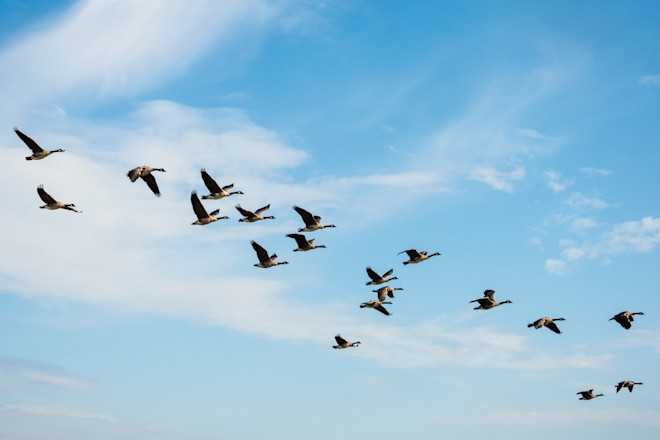
Birds fly south mostly in the fall months. The best time to watch is early morning. Late afternoon is also a good time to see birds flying south.
-
September to November is the busiest time.
-
Watch at sunrise or sunset for most action.
-
Check local bird reports for exact dates.
-
Clear, calm days let you see more birds.
Credit: www.discovermagazine.com
Frequently Asked Questions
When do most birds start migrating south?
Most birds begin their trip south between late August and October. This depends on the type of bird and the local weather. Shorter daylight and colder air start this instinct in birds.
Why do birds migrate south in fall?
Birds fly south in the fall to find warmer weather. They look for food that becomes hard to find when it gets cold. This trip helps birds live through the harsh winter.
How do birds know when to migrate south?
Birds use outside clues. This includes daylight length and air temperature changes. Their internal body clocks also guide their travel timing. These signs tell birds to prepare for the long journey.
What are common routes for birds migrating south?
Birds follow known flyways. Examples are the Atlantic, Mississippi, Central, and Pacific routes. These paths have safe rest stops and food. Routes differ by species and where they live.
Conclusion
Bird travel south is a wonderful event in nature. Birds travel for warmth and food. Their travel plans change by bird type. Some birds fly thousands of miles. Others fly shorter distances. Changes in light and weather tell them it is time to go. Knowing these patterns helps us protect bird homes. Seeing this trip is a unique nature moment. Watching these flights is both fun and inspiring. Birds show us the wonders of nature. Support efforts to protect birds. Keep learning and exploring the world of birds. It is an adventure you will love.


