
Have you ever wondered Where Do Birds Migrate when they suddenly disappear from your backyard? Their long flights to new places might seem like a mystery, but understanding where birds migrate can change the way you see the world around you.
Imagine knowing why some birds travel thousands of miles while others stay close to home. This knowledge can make your next birdwatching experience more exciting and meaningful. Keep reading, and you’ll discover the surprising destinations birds choose and the reasons behind their incredible journeys.
Bird Migration Routes
Bird migration is a natural journey birds take to find food and better climates. Different species follow specific paths across continents and oceans.
These migration routes help birds survive seasonal changes and breed safely. Understanding these paths shows how birds connect distant places.
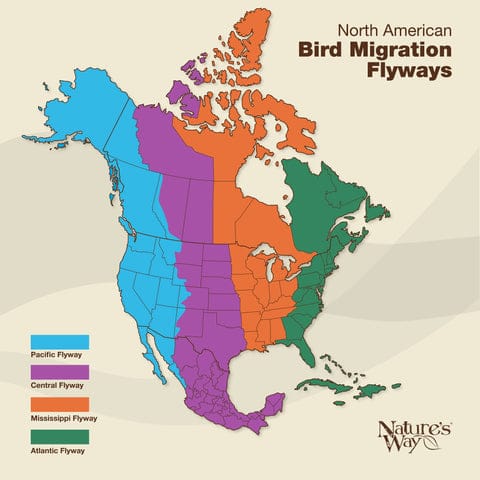
North America Pathways
In North America, many birds travel along three main flyways. These routes guide birds from the Arctic to Central and South America.
- Atlantic Flyway runs along the east coast.
- Mississippi Flyway follows the river valley.
- Pacific Flyway stretches along the west coast.
European Flyways
European birds often use flyways that cross the Mediterranean Sea. These routes link northern Europe with Africa.
Many birds stop at wetlands and lakes to rest and feed before continuing their journey.
Asian Migration Trails
Asia has long migration trails that cross deserts and mountains. Birds move from Siberia to South Asia and Southeast Asia.
| Trail | Start Point | End Point |
| Central Asian Flyway | Siberia | India |
| East Asian-Australasian Flyway | Russia | Australia |
| West Asian-East African Flyway | Western Asia | Africa |
African Migration Corridors
Africa’s migration routes connect the north with the south and link to Europe and Asia. Birds travel across deserts and savannas.
Common corridors include:
- The Rift Valley Lakes region, a key stop for many species.
- The Sahara Desert crossing, challenging for small birds.
- Coastal routes along the Mediterranean and Red Sea.
Pacific Ocean Routes
Some birds fly thousands of miles over the Pacific Ocean. These routes connect Asia, the Americas, and island groups.
Birds use islands as resting points. These ocean crossings show the strength and endurance of migratory birds.

Credit: birdcast.info
Reasons For Migration
Birds migrate to survive and find better living conditions. They travel long distances to meet their basic needs.
Migration helps birds find food, suitable weather, safe places to breed, and avoid predators.
Seasonal Temperature Changes
Birds move to warmer places when cold seasons come. Cold weather makes it hard to find food and stay warm.
By migrating, birds avoid harsh winters and survive better in mild climates.
Food Availability
Food becomes scarce in some areas during certain seasons. Birds fly to places where food is easy to find.
They look for insects, seeds, fruits, or fish depending on their diet and the season.
- Insects disappear in cold weather
- Plants stop producing seeds in winter
- Fish move to warmer water
Breeding Needs
Birds migrate to find safe and good places to lay eggs and raise chicks. They need calm areas with enough food.
Some birds return to the same breeding spots every year to keep their young safe.
Predator Avoidance
Migration helps birds escape predators that hunt them during certain times or places. Moving reduces the risk of being caught.
Birds choose safer routes and locations to protect themselves and their offspring.
Navigation Techniques
Birds travel long distances during migration. They use special skills to find their way. These skills help birds reach the right place at the right time.
Scientists have studied how birds navigate. Birds use natural signs and senses to guide themselves. Four main methods help birds on their journey.
Sun And Star Positioning
Birds look at the sun and stars to know direction. During the day, the sun acts like a compass. At night, stars help birds find their path. Birds remember the sun’s position and adjust as it moves.
Magnetic Field Detection
Birds sense Earth’s magnetic field to guide their flight. This invisible force helps them know north and south. Some birds have special cells that detect magnetic signals inside their heads.
Landmark Recognition
Birds use landmarks like rivers, mountains, and cities to find their way. They remember these places from past trips. Landmarks give birds visual clues during migration.
- Rivers guide birds along long routes
- Mountain ranges mark direction changes
- Urban areas provide clear visual points
- Coastlines help birds stay near food sources
Olfactory Cues
Some birds use their sense of smell to navigate. They detect scents from plants, water, or soil. These smells create a map in their brain. This helps birds find their way home even in cloudy weather.
| Type of Scent | Use in Navigation |
| Plant odors | Identify regions and routes |
| Sea air | Guide near coastlines |
| Soil smells | Mark familiar nesting sites |
Challenges During Migration
Bird migration is a long journey with many dangers. Birds face several challenges as they travel between breeding and wintering areas.
These challenges can affect their survival and ability to complete their journey safely.
Weather Hazards
Birds often face storms, strong winds, and extreme temperatures. Bad weather can slow them down or push them off course.
Sudden storms can make flying very hard. Birds may get tired or injured during bad weather.
Habitat Loss
Many birds rely on stopover sites to rest and eat. Losing these habitats makes migration harder.
Deforestation, farming, and urban growth reduce safe places for birds to stop and refuel.
- Fewer wetlands for water birds
- Less forest cover for songbirds
- Reduced food sources along routes
Human-made Obstacles
Tall buildings, power lines, and wind turbines can block bird paths. Birds may collide with these structures.
Light pollution from cities confuses birds during night flights. This can cause them to lose direction.
- Collisions with glass windows
- Electrocution on power lines
- Disorientation from bright lights
Exhaustion And Energy Demands
Migration needs a lot of energy. Birds must eat enough before and during travel to keep going.
Long flights without rest cause tiredness. If birds cannot find food, they may not finish their journey.
Famous Migratory Birds
Bird migration is a fascinating natural event. Many birds travel long distances to find better food and weather.
Some species have unique migration routes and records. Let’s explore a few famous migratory birds and their journeys.
Arctic Tern’s Longest Journey
The Arctic Tern has the longest migration of any bird. It travels from the Arctic to the Antarctic and back each year.
This round-trip can cover over 40,000 miles. The bird sees two summers each year during its journey.
Swallow Migration Patterns
Swallows migrate from Europe to Africa every year. They follow the same routes across continents.
- Swallows fly low over fields and water
- They eat flying insects during migration
- They travel in groups for safety
- Swallows return to the same nesting sites each year
Monarch Butterfly And Birds
Monarch butterflies and some birds migrate at the same time. They share routes and resting spots.
| Species | Migration Distance | Route |
| Monarch Butterfly | Up to 3,000 miles | North America to Mexico |
| Ruby-throated Hummingbird | Up to 2,000 miles | Eastern US to Central America |
| Baltimore Oriole | Up to 3,000 miles | North America to Central America |
Bar-tailed Godwit Flight Records
Bar-tailed Godwits hold the record for the longest nonstop flight. They fly over 7,000 miles without stopping.
This flight takes about 9 days over open ocean. The birds store fat to fuel their journey.

Credit: www.allaboutbirds.org
Tracking Migration Today
Scientists use many tools to follow bird migration. Tracking helps us learn where birds travel and how far they go.
These methods give important information to protect birds and their homes.
Satellite Tagging
Satellite tagging uses small devices attached to birds. These devices send location data to satellites.
Researchers can watch birds’ exact routes across continents and oceans in real time.
Banding And Ringing
Banding means putting a small, numbered ring on a bird’s leg. This helps identify birds when they are caught again.
- Birds are caught safely using nets.
- Each bird gets a unique metal or plastic band.
- Scientists record details about the bird and release it.
- If found later, the band tells where the bird has been.
Citizen Science Projects
Many people help scientists by watching and reporting bird sightings. This is called citizen science.
| Project Name | Focus | How to Participate |
| eBird | Bird sightings worldwide | Submit bird lists online |
| Christmas Bird Count | Winter bird counts | Join local counting groups |
| Project FeederWatch | Birds at feeders | Count birds at home feeders |
Technological Advances
New tools like mini GPS, drones, and automated sound recorders help track birds better.
- Mini GPS tags give precise locations.
- Drones monitor hard-to-reach areas.
- Sound recorders identify birds by their calls.
Credit: www.allaboutbirds.org
Frequently Asked Questions
Where Do Most Birds Migrate During Winter?
Most birds migrate to warmer regions with abundant food. Common destinations include southern United States, Central and South America, Africa, and Southeast Asia. Migration helps birds avoid cold weather and scarce food supply.
Why Do Birds Migrate To Specific Locations?
Birds migrate to specific locations based on climate, food availability, and breeding needs. These destinations provide ideal conditions for survival and raising young. Birds use instinct and environmental cues to choose their routes and destinations.
How Far Do Birds Typically Migrate?
Bird migration distances vary widely, from a few hundred to thousands of miles. Some species, like Arctic terns, travel over 25,000 miles annually. Distance depends on species, climate, and food resources at breeding and wintering sites.
When Do Birds Usually Start Their Migration?
Most birds begin migrating during early spring and late summer or fall. Timing depends on species and environmental cues like temperature and daylight. Birds migrate to breed or escape harsh weather conditions.
Conclusion
Bird migration fascinates nature lovers and scientists alike. Birds embark on amazing journeys. They travel thousands of miles, guided by instincts and environmental cues. These journeys ensure survival and reproduction. From the Arctic to the tropics, birds find food, shelter, and breeding grounds.
Understanding migration helps protect these vital pathways. Conservation efforts can safeguard habitats. Watching a flock fly overhead sparks wonder and curiosity. It reminds us of nature’s incredible cycles. Next time you see migrating birds, think of their epic adventure. Their stories span continents and inspire us to learn more.
They connect our world in unique ways.



