

Have you ever wondered how birds choose the perfect spot to build their nests? Understanding Bird Nesting Ecology can open your eyes to the fascinating world of nature right outside your window.
This knowledge not only deepens your connection with wildlife but also helps you protect these delicate homes. As you read on, you’ll discover surprising facts and practical tips that make watching birds more exciting and meaningful. Ready to unlock the secrets behind where and why birds build their nests?
Let’s dive in.

Credit: swibirds.org
Nesting Habits Across Species
Birds build nests to protect their eggs and young birds. Different species have unique ways to create and use nests.
Nesting habits depend on the bird’s size, environment, and behavior. These habits help birds survive and raise their chicks.
Types Of Nests
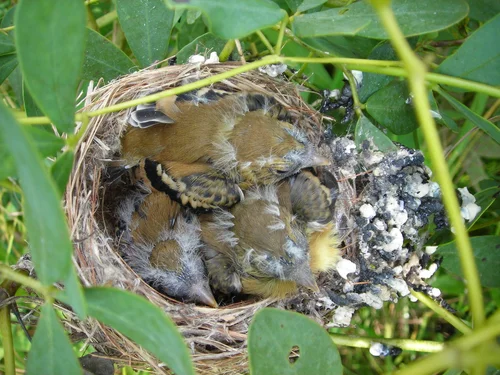
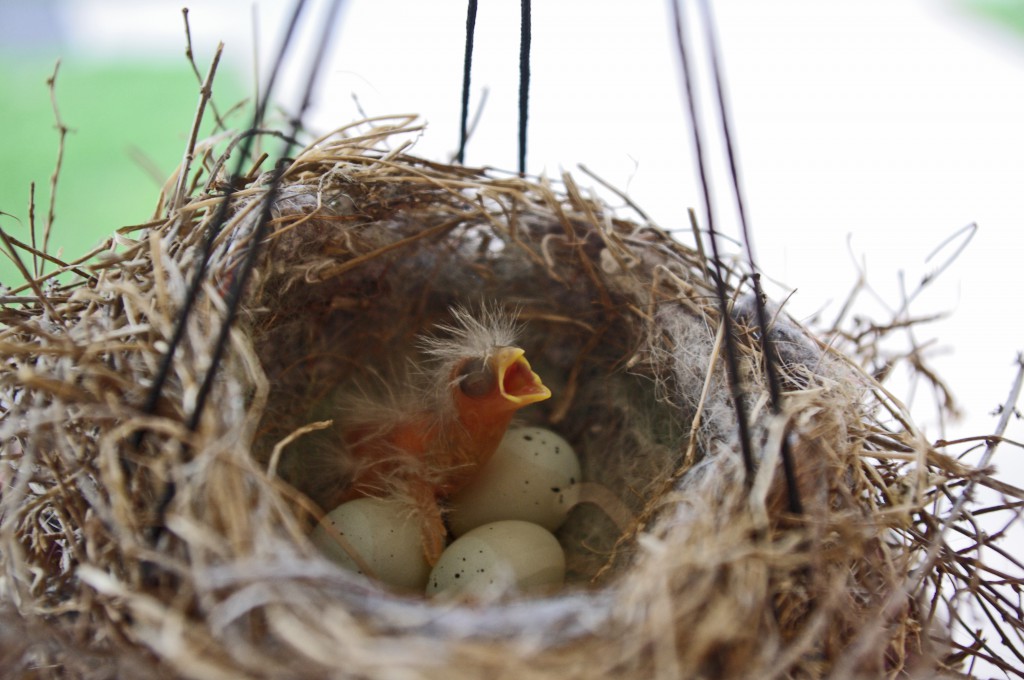
Bird nests come in many shapes and sizes. Some birds build cup-shaped nests, while others make burrows or platforms.
- Cup Nests: Made of twigs and soft materials, often in trees or bushes.
- Burrow Nests: Dug into the ground or riverbanks for safety.
- Platform Nests: Large flat nests built on cliffs or tall trees.
- Adherent Nests: Stuck to surfaces like walls or cliffs.
- Scrape Nests: Simple ground nests made by scraping soil.
Materials Used
Birds use many materials to build nests. They choose items that are strong and soft to protect eggs and chicks.
- Twigs and small branches for structure
- Leaves and grass for lining and warmth
- Feathers to keep eggs safe and warm
- Mud to hold parts of the nest together
- Spider silk or plant fibers to bind materials
Site Selection
Birds pick safe and suitable places for nests. They look for spots that hide nests from predators and bad weather.
- Trees and bushes that offer cover and height
- Cliffs and ledges that are hard to reach
- Ground areas with good camouflage
- Human-made structures like buildings or bridges
- Near water sources for easy food access
Credit: swibirds.org
Nesting And Survival Strategies
Birds use many smart ways to keep their nests safe. Nesting and survival strategies help birds protect their eggs and chicks. These methods increase the chance young birds live to grow up.
Understanding these strategies shows how birds adapt to their environment. Birds use camouflage, avoid predators, and control temperature to survive.
Camouflage And Protection
Birds build nests that blend into their surroundings. This hides the nest from animals that want to eat the eggs or chicks. Nests can look like leaves, bark, or moss.
- Use natural materials from the area
- Choose nest locations with good cover
- Match nest color to nearby plants or ground
- Build nests in hard-to-see spots
Predator Avoidance
Birds watch for predators and act to keep their nests safe. Some birds make alarm calls to warn others. Others use fake nests or distraction displays to confuse predators.
| Strategy | Description |
| Alarm Calls | Birds warn others when predators are near |
| Fake Nests | Build extra nests to confuse predators |
| Distraction Displays | Act injured to lead predators away |
| Nesting in Groups | Birds nest close to protect each other |
Thermoregulation
Birds keep nests warm or cool to protect eggs and chicks. They use nest shape and location to control temperature. Parents also help by sitting on the eggs or shading the nest.
Ways birds manage nest temperature:
- Build nests with insulation like feathers or moss
- Place nests in shaded or sunny spots depending on climate
- Change nest lining during cold or hot weather
- Parents adjust their time on the nest to keep eggs safe
Reproductive Success Factors
Bird nesting success depends on many factors that affect how well eggs hatch and chicks grow.
Understanding these factors helps us learn why some birds raise more young than others.
Clutch Size And Frequency
Clutch size means the number of eggs a bird lays at once. Frequency is how often birds lay eggs each season.
- Birds with larger clutches may have more young, but face higher risks.
- Frequent clutches allow birds to try again if first eggs fail.
- Environmental conditions often control clutch size and frequency.
Parental Care
Parents protect eggs and feed chicks. Their care boosts young survival.
| Type of Care | Description |
| Incubation | Keeping eggs warm until they hatch |
| Feeding | Bringing food to chicks regularly |
| Protection | Defending nest from predators |
Fledging Rates
Fledging rate is the number of chicks that leave the nest safely.
Factors that affect fledging rates include:
- Food availability
- Weather conditions
- Predator presence
- Health of the parents
Environmental Influences
Bird nesting ecology depends on many environmental factors. These factors affect where birds build nests and how well their young survive.
Understanding these influences helps protect bird populations and their habitats.
Habitat Changes
Changes in habitat affect the availability of nesting sites and food. Birds may lose trees or shrubs they use for nesting.
Habitat loss can force birds to move to less suitable areas, reducing their chances of survival.
- Deforestation removes natural nesting spots
- Urban growth reduces green spaces
- Agriculture can change plant types and soil
Climate Impact
Climate changes affect bird nesting by altering temperature and rainfall patterns. These changes influence food availability and breeding times.
Extreme weather events can destroy nests or harm eggs and chicks.
- Warmer temperatures may shift nesting seasons
- Drought can reduce insect food supply
- Storms can damage nests and kill young birds
Human Disturbance
Human activities often disrupt bird nesting areas. Noise, pollution, and direct contact can scare birds away from nests.
Some birds avoid nesting near busy places, which lowers their chances of successful breeding.
- Construction creates noise and vibrations
- Recreational activities can scare nesting birds
- Pollution harms bird health and habitats
Technological Advances In Nesting Research
Scientists use new technology to study bird nesting better. These tools help track birds and gather data easily. Technology makes it simpler to learn about bird habits and their environment.
Research tools have improved how we watch nests and analyze data. This helps protect birds and understand their behavior in nature.
Tracking And Monitoring Tools
Tracking tools help scientists follow birds’ movements and nesting sites. Tiny GPS devices and radio transmitters are common tools. Cameras and drones also monitor nests without disturbing birds.
- GPS trackers record bird locations in real-time
- Radio transmitters send signals to track birds remotely
- Motion-activated cameras capture nest activity
- Drones provide aerial views of nesting areas
- Temperature sensors monitor nest conditions
Data Analysis Techniques
Data from tracking tools needs clear analysis. Scientists use software to study patterns and trends. This shows how birds behave and how safe nests are.
| Technique | Purpose |
| Geospatial Mapping | Shows bird locations and movement paths |
| Statistical Modeling | Analyzes factors affecting nesting success |
| Machine Learning | Identifies patterns in large data sets |
| Time-Lapse Analysis | Tracks changes in nest activity over time |
Conservation Efforts And Nesting
Bird nesting ecology studies how birds build nests and raise young. Protecting these places is key to saving bird populations.
Conservation efforts focus on keeping nesting sites safe and involving people to help. Laws also support these goals.
Protecting Nesting Sites
Many birds need specific places to build nests. Trees, shrubs, and wetlands often serve as homes for nesting birds.
- Limit cutting down trees during breeding seasons
- Preserve wetlands and natural habitats
- Create protected areas where birds can nest safely
- Control predators that threaten nests
- Use nest boxes in areas lacking natural sites
Community Involvement
Local communities play a big role in bird conservation. People can watch nests without disturbing birds.
Ways communities help:
- Report illegal nest destruction
- Help plant native trees and shrubs
- Participate in bird count events
- Educate others about bird protection
Policy And Legislation
Governments pass laws to protect bird nests. These rules stop people from disturbing birds during nesting.
| Law | Purpose | Region |
| Wildlife Protection Act | Protects nesting habitats | United States |
| Birds Directive | Conserves wild birds and nests | European Union |
| Environmental Protection Law | Prevents destruction of natural areas | Australia |
Credit: nestwatch.org
Frequently Asked Questions
What Is Bird Nesting Ecology?
Bird nesting ecology studies how birds choose, build, and use nests. It examines nest locations, materials, and survival strategies. Understanding this helps in bird conservation and habitat management.
How Do Birds Select Nesting Sites?
Birds select nesting sites based on safety, food availability, and environmental conditions. They prefer places that protect eggs from predators and harsh weather. Site choice impacts reproductive success and chick survival.
Why Is Nest Structure Important For Birds?
Nest structure provides shelter, temperature regulation, and protection for eggs and chicks. Different species build unique nests adapted to their environment. A strong nest improves offspring survival chances.
How Does Nesting Behavior Affect Bird Reproduction?
Nesting behavior influences mating, egg laying, and chick rearing. Proper nest building and care increase reproductive success. Birds adapt behaviors to maximize the survival of their young.
Conclusion
Bird nesting ecology reveals nature’s incredible intricacies. Each bird species builds unique nests. These nests protect eggs and young ones. Understanding bird nesting helps us appreciate nature more. It highlights the importance of preserving habitats. Birds contribute to ecosystems in many ways.
They control pests and disperse seeds. Their nesting habits teach us about adaptation. By learning about nests, we support conservation efforts. Observing birds can be a peaceful pastime. Nature has a lot to offer. Let’s cherish and protect it.



