
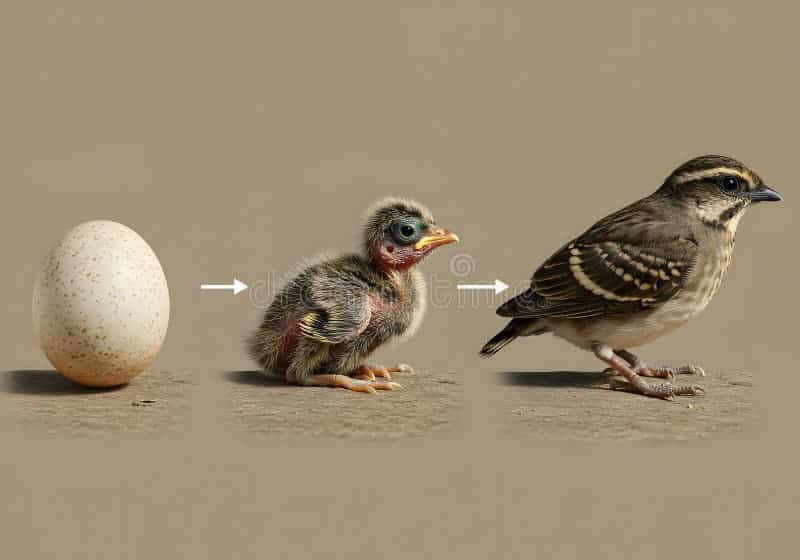
Have you ever wondered how tiny bird chicks grow into strong, graceful adults? Understanding Bird Chick Growth Stages can give you a fascinating glimpse into nature’s careful design.
Whether you’re a bird lover, a curious parent, or just someone who enjoys watching wildlife, knowing what happens at each stage will keep you hooked. This guide breaks down the key moments in a chick’s life, helping you see the magic behind every feather and flutter.
Ready to discover how your favorite birds grow from fragile hatchlings to vibrant flyers? Keep reading—you won’t want to miss a single step.
Egg Stage
Bird chicks begin life inside eggs. The egg stage is critical for growth. This stage prepares the chick for hatching and survival.
Inside the egg, important changes happen. The process lasts until the chick is ready to hatch.
Incubation Period
The incubation period is the time the egg stays warm before hatching. Parent birds keep eggs warm by sitting on them. This heat helps the embryo grow.
- Lasts from 10 to 30 days, depending on species
- Maintains temperature around 99°F (37°C)
- Needs steady warmth and humidity
- Parents may turn eggs to help development
Embryo Development
The embryo forms inside the egg after fertilization. It grows quickly during incubation. Organs and body parts develop in stages.
| Day | Development Stage |
| 1-3 | Heartbeat begins and blood vessels form |
| 4-7 | Limbs and beak start to grow |
| 8-14 | Feathers and muscles develop |
| 15+ | Chick gains weight and prepares for hatching |
Hatching Process
When the chick is ready, it begins hatching. The chick uses a special egg tooth to break the shell. This process can take hours.
- The chick pecks a small hole in the shell
- It rests after making the first crack
- The chick gradually breaks the shell open
- Finally, it pushes out and emerges from the egg
Hatchling Stage
The hatchling stage is the first part of a bird’s life. It starts right after the bird hatches from the egg.
At this stage, the baby bird is very small and needs a lot of care to survive and grow.
Physical Characteristics
Hatchlings usually have closed eyes and little to no feathers. Their skin is soft and often pink or reddish.
Their bodies are fragile, and they cannot move much on their own. They depend on warmth from their parents.
Feeding Habits
Hatchlings cannot eat solid food. Parents feed them soft, easy-to-digest food like regurgitated insects or seeds.
They need to be fed many times a day because their bodies grow quickly and need energy.
- Food is soft and watery
- Feeding happens every 15 to 30 minutes
- Parents bring food directly to the hatchling’s mouth
Parental Care
Parents keep hatchlings warm by sitting on them or staying close. This is called brooding.
They protect hatchlings from danger and clean the nest to keep it safe and healthy.
- Parents provide warmth and shelter
- They feed the hatchlings regularly
- Parents remove waste from the nest
- They guard the nest from predators
Nestling Stage
The nestling stage is a critical time in a bird’s early life. During this period, young birds depend heavily on their parents for food and protection.
This stage usually lasts from hatching until the birds grow feathers enough to leave the nest safely.
Feather Growth
Feathers start to grow quickly during the nestling stage. They provide warmth and help protect the bird’s skin.
- Down feathers appear first for insulation.
- Flight feathers grow later for flying.
- Feathers replace the soft skin covering the body.
Increasing Mobility
Nestlings begin to move more as their muscles grow stronger. They start to stretch and flap their wings inside the nest.
| Age (days) | Mobility Level |
| 1-3 | Little movement, mostly resting |
| 4-7 | Stretching legs and wings |
| 8-12 | Flapping wings and standing |
| 13-15 | Hopping and preparing to fly |
Vocal Development
Young birds start to make sounds to communicate with their parents and siblings.
- Begging calls for food
- Soft chirping to signal comfort
- Alarm calls if disturbed
Fledgling Stage
The fledgling stage is when young birds leave the nest but still rely on their parents. They start to explore the world outside the nest.
During this time, fledglings learn important skills like flying, feeding themselves, and socializing with other birds.
First Flights
At the fledgling stage, birds take their first short flights. These flights help them build muscle and improve balance.
Parents often encourage fledglings to fly by calling them or showing food from a distance.
Learning To Feed
Fledglings start to feed themselves but still get help from their parents. They watch and copy how adults find food.
They practice catching insects or picking seeds while parents bring food to keep them strong.
Social Interaction
Fledglings meet other young birds and learn how to communicate. They practice calls and body language.
This social time helps them fit into bird groups and stay safe from predators.
Juvenile Stage
The juvenile stage is the time when young birds start to grow and learn important skills. They leave the nest but still rely on their parents sometimes.
During this stage, birds become more active and explore their surroundings. They prepare for adult life.
Independence Skills
Young birds practice flying, finding food, and avoiding dangers. These skills help them survive on their own.
Parents may teach them how to hunt or gather food. Juveniles watch and copy their actions carefully.
- Flying short distances
- Searching for insects or seeds
- Recognizing safe places
- Listening for warning calls
Plumage Changes
Juvenile birds grow new feathers that look different from baby feathers. These changes help them blend into their environment.
Feathers become stronger and more colorful as the bird matures. This signals their progress towards adulthood.
- Duller colors to hide from predators
- Feather replacement for better flight
- Gradual brightening of colors
- Growth of tail and wing feathers
Survival Challenges
Juvenile birds face many dangers like predators and harsh weather. They must learn to protect themselves quickly.
Finding enough food is also hard. Competition with other birds and animals can make survival tough.
- Avoiding cats, hawks, and snakes
- Finding shelter during storms
- Competing for food with siblings
- Learning to escape quickly
Credit: www.dreamstime.com
Factors Affecting Growth
Bird chicks grow through many stages. Their growth depends on different factors.
These factors affect how fast and strong a chick becomes. Understanding them helps in caring for young birds.
Nutrition And Diet
Good nutrition is key for chick growth. Chicks need enough food with the right nutrients.
Parents often feed chicks protein-rich insects and seeds. Lack of proper food slows their growth.
- Protein helps build muscles and feathers
- Calcium strengthens bones
- Vitamins support overall health
- Water keeps chicks hydrated
Environmental Conditions
Temperature and shelter impact chick growth. Too cold or too hot weather can cause stress.
Safe nests protect chicks from bad weather. Clean and dry nests help prevent diseases.
- Warmth helps chicks keep energy
- Dry nests avoid sickness
- Quiet areas reduce stress
- Good sunlight aids vitamin D production
Predation Risks
Predators can harm chicks or scare parents away. This affects chick survival and growth.
Nests hidden in safe places lower the chance of attacks. Parents stay alert to protect their young.
- Snakes, cats, and larger birds are common predators
- Hiding nests improves chick safety
- Parent birds guard chicks actively
- Less disturbance means less risk
Monitoring Development
Watching a bird chick grow is important for its health. Careful monitoring helps you notice changes fast.
Bird chicks grow quickly. Checking their growth stages helps spot problems early and keep them safe.
Signs Of Healthy Growth
A healthy chick gains weight steadily and grows feathers on time. It should be active and alert.
Strong muscle tone and bright eyes are good signs. The chick should respond to sounds and movements.
- Steady weight gain every few days
- Feather development according to age
- Active and responsive behavior
- Clear eyes and clean nostrils
- Good muscle strength and posture
Common Growth Issues
Some chicks grow slowly or lose weight. This may mean they are sick or not eating well.
Other problems include weak muscles, poor feather growth, and lack of alertness. These need attention.
- Slow or no weight gain
- Feathers missing or growing late
- Weak or floppy muscles
- Low energy or unresponsive
- Signs of illness like discharge or swelling
When To Seek Help
Get help if your chick shows slow growth or stays weak. Early care can save its life.
If you see sickness signs or no improvement in days, contact a vet or bird expert fast.
- Weight loss or no gain after several days
- Feathers not growing by expected time
- Constant weakness or low activity
- Visible signs of illness or injury
- Refusal to eat or drink

Credit: www.vecteezy.com

Credit: www.shutterstock.com
Frequently Asked Questions
What Are The Main Stages Of Bird Chick Growth?
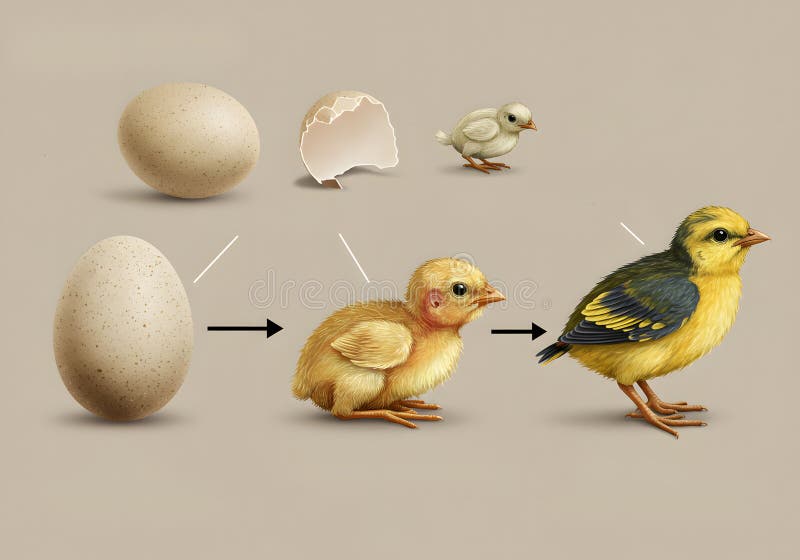
Bird chick growth includes the egg stage, hatching, nestling, fledgling, and juvenile phases. Each stage shows key development milestones. Parents provide care and food during early stages until chicks can fly and forage independently.
How Long Does Each Bird Chick Growth Stage Last?
The duration varies by species but typically lasts from days to weeks. The nestling stage often lasts 1-3 weeks. Fledgling stage can last several weeks as chicks learn to fly and feed themselves.
When Do Bird Chicks Start Flying?
Bird chicks usually begin flying during the fledgling stage. This occurs 1-3 weeks after hatching, depending on species. Flight skills improve gradually with parental guidance and practice outside the nest.
What Changes Occur During The Nestling Stage?
During the nestling stage, chicks grow feathers, open their eyes, and develop muscles. They remain in the nest and depend entirely on parents for food and protection until ready to fledge.
Conclusion
Bird chick growth stages reveal nature’s fascinating process. From hatching to fledging, each step is crucial. Chicks grow quickly, learning essential survival skills. Observing these stages offers insights into avian life. Their journey is a testament to resilience and adaptation.
As they develop, chicks prepare for independence. Watching them thrive is rewarding and educational. Understanding these stages helps appreciate birds’ life cycles. It’s a reminder of nature’s wonders around us. Each stage holds unique challenges and milestones. Embrace the beauty of bird chick growth.
It’s a captivating journey worth exploring.



