When Do Baby Birds Leave the Nest: Essential Facts Revealed
Have you ever wondered when baby birds take their first big step out of the nest? That moment is full of excitement and curiosity, not just for the birds but for anyone watching.
You might be surprised to learn how different species have their own perfect timing for this important milestone. If you want to understand what goes on during this critical phase and what signs to look for, keep reading. This guide will help you discover When Do Baby Birds Leave the Nest and why it matters to their survival—and maybe even your backyard birdwatching.
Nestling Stage
The nestling stage is when baby birds live in the nest after hatching. They are young and cannot fly yet. This stage is very important for their growth and survival.
During this time, baby birds depend on their parents for food and protection. They grow quickly and learn many skills before leaving the nest.
Growth Milestones
Baby birds grow fast during the nestling stage. They start with soft down feathers and later grow stronger feathers for flying.
Their eyes open in the first days, and they begin to move more as they get older. By the end of this stage, they can stand and flap their wings.
- Eyes open within a few days of hatching
- Down feathers appear first
- Flight feathers grow near the end of the stage
- Begin to stand and flap wings before leaving nest
Feeding Habits
Baby birds are fed by their parents many times each day. The parents bring food like insects or worms to the nest.
As the nestlings grow, they eat larger amounts and sometimes different kinds of food. They depend on their parents to keep them full and healthy. It is fascinating to see how their hunger changes right before the point of When Do Baby Birds Leave the Nest.
- Parents feed nestlings frequently
- Food includes insects, worms, and soft foods
- Nestlings eat more as they grow
- Feeding helps build strength for flying
Parental Care
Parents protect baby birds from danger and keep the nest clean. They stay close to the nest to watch for predators.
They also keep the babies warm by sitting on them when it is cold. This care helps the nestlings grow safely until they are ready to leave.
- Parents guard the nest all day
- They keep the nest clean by removing waste
- Keep babies warm by brooding
- Teach skills before baby birds leave

Credit: swibirds.org
Fledging Process
The fledging process is when baby birds grow strong enough to leave the nest. This stage is important for their survival and independence. Birds do not leave the nest all at once.
Each bird shows different signs that it is ready to take its first flight. Parents still care for them after they leave the nest.
Signs Of Readiness
Baby birds show many signs before they leave the nest. Watching these signs helps understand When Do Baby Birds Leave the Nest will happen soon.
- Feathers look fully grown and smooth
- The bird flaps its wings often and strongly
- Baby birds start hopping near the edge of the nest
- They begin to eat food offered by parents more eagerly
- Birds make louder and more frequent calls
First Flights
Baby birds take their first flights close to the nest. These flights are short and cautious. Parents encourage and support them during this time.
| Flight Activity | Description |
| Short Flights | Birds fly short distances from the nest |
| Wing Flapping | Strong wing beats help build muscle strength |
| Landing Practice | Birds learn to land safely on branches or ground |
| Parent Supervision | Parents watch and protect fledglings during flights |
Learning To Hunt
After leaving the nest, young birds must learn to find food. Parents teach them how to hunt and catch prey. This skill is key for survival.
Common hunting skills taught by parents include:
- Spotting movement in leaves or water
- Chasing insects or small animals
- Using sharp beaks to catch food
- Recognizing safe and unsafe food sources
Factors Influencing Departure
Baby birds leave the nest at different times. This depends on many things. Some factors help decide the right time for them to fly away.
Understanding these factors helps us learn about bird behavior. It also shows how birds survive in nature.
Species Differences
Different bird species leave the nest at various ages. Some birds fly soon after hatching. Others stay longer with their parents. This time varies from days to weeks.
- Small songbirds usually leave after two weeks.
- Birds of prey may stay in the nest for a month.
- Waterfowl can leave the nest quickly but stay near parents.
Environmental Conditions
Weather and food affect When Do Baby Birds Leave the Nest. Warm weather helps them grow strong. Cold or wet weather may delay departure. Food availability is very important too.
| Condition | Effect on Departure |
| Warm Weather | Speeds up growth and leaving time |
| Cold Weather | Delays leaving due to weak muscles |
| Plenty of Food | Supports early and healthy flight |
| Food Scarcity | Delays departure and growth |
Predator Threats
Predators near the nest can change when babies leave. If danger is high, parents may push babies to leave sooner. Leaving early can help avoid attacks.
Signs of predator threats include:
- Frequent visits by predators near the nest
- Disturbance noises around the nesting area
- Parents acting more alert and protective
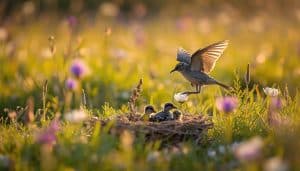
Credit: swibirds.org
Post-nest Life
After baby birds leave the nest, they face many new experiences. This time is important for their growth and survival.
They learn to live outside the safety of the nest and start becoming independent birds.
Independence Skills
Baby birds learn to find food by themselves. They practice flying to build strength and coordination.
These skills help them survive without their parents’ constant care. Even after they are out, many birdwatchers continue to track When Do Baby Birds Leave the Nest to ensure the local population is thriving.
- Flying short distances
- Finding insects and seeds
- Hiding from predators
- Building simple nests
Survival Challenges
Leaving the nest is risky. Baby birds face dangers like predators and bad weather.
They must learn to avoid threats and find food quickly to stay healthy.
- Watch out for cats, snakes, and larger birds
- Stay hidden to avoid being seen
- Find shelter during rain or cold
- Keep up energy by eating often
Reuniting With Parents
Baby birds often stay close to their parents after leaving the nest. Parents still help by giving food and protection.
This support lasts until the young birds can fully care for themselves.
- Parents teach flying and hunting skills
- They warn of nearby dangers
- They feed young birds during tough times
- Young birds gradually spend more time alone
Human Impact on Nesting
Human activities affect where and how baby birds grow up. Many birds build nests in quiet, safe places. When people come close or change these places, birds can get stressed.
Understanding these effects helps us protect birds better. We can make choices that keep nests safe and allow baby birds to leave at the right time.
Disturbance Effects
Loud noises, people walking near nests, and pets can scare birds. This can cause parent birds to leave the nest. Without parents, baby birds may not get enough food or warmth.
- Parents may abandon the nest if disturbed too much.
- Baby birds can fall out or get hurt trying to escape.
-
Repeated disturbances delay When Do Baby Birds Leave the Nest.
Conservation Tips
We can help birds by keeping a safe distance from nests. Avoid touching or moving nests. Plant native trees and shrubs to give birds good places to nest.
- Watch nests quietly from afar.
- Keep pets away from nesting areas.
- Do not remove or disturb nests.
- Support bird-friendly plants in your yard.
Supporting Local Birds
Local birds need safe homes and food. Providing water and shelter helps them stay healthy. Avoid using pesticides that can harm birds and their food sources.
| Support Action | Benefit to Birds |
| Provide clean water | Helps birds stay hydrated |
| Plant native flowers | Offers food and shelter |
| Limit pesticide use | Protects insects' birds eat |
| Keep cats indoors | Reduces bird attacks |
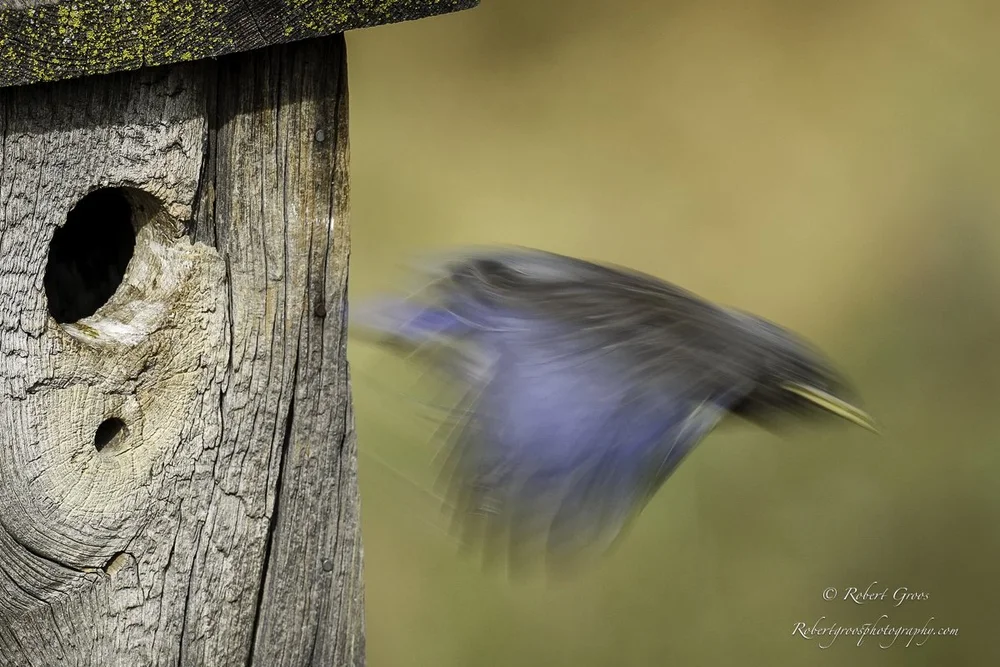
Credit: www.robertgroosphotography.com
Frequently Asked Questions
When Do Baby Birds Typically Leave the Nest?
Baby birds usually leave the nest 2 to 3 weeks after hatching. This period varies by species and environmental conditions. They gain enough strength and feathers to fly and forage independently during this time.
How Can You Tell If Baby Birds Are Ready to Leave?
Signs include fully grown feathers, strong wing muscles, and active movement. Baby birds also start hopping around the nest and showing curiosity about the outside environment.
What Happens If Baby Birds Leave the Nest Too Early?
Leaving too early can expose them to predators and harsh weather. Early fledging may reduce their survival chances as they might lack flight skills and foraging ability.
Do Parent Birds Continue to Care for Fledglings?
Yes, parents often feed and protect fledglings for several weeks. This care helps young birds learn essential survival skills before becoming fully independent.
Conclusion
Knowing When Do Baby Birds Leave the Nest is a natural part of their growth. They learn to fly and gain independence. This process varies among species. Some leave sooner, some later. Observing this transition can be fascinating. It highlights nature's wonders and the resilience of young birds.
Always give space and ensure safety. Avoid disturbing their habitat. Supporting local wildlife can enhance their survival chances. Appreciate these moments and cherish nature's beauty. Each fledgling's journey is unique. Witnessing it enriches our understanding of wildlife. Celebrate these small milestones in their lives.
Enjoy watching them spread their wings.